
Keynote Speakers
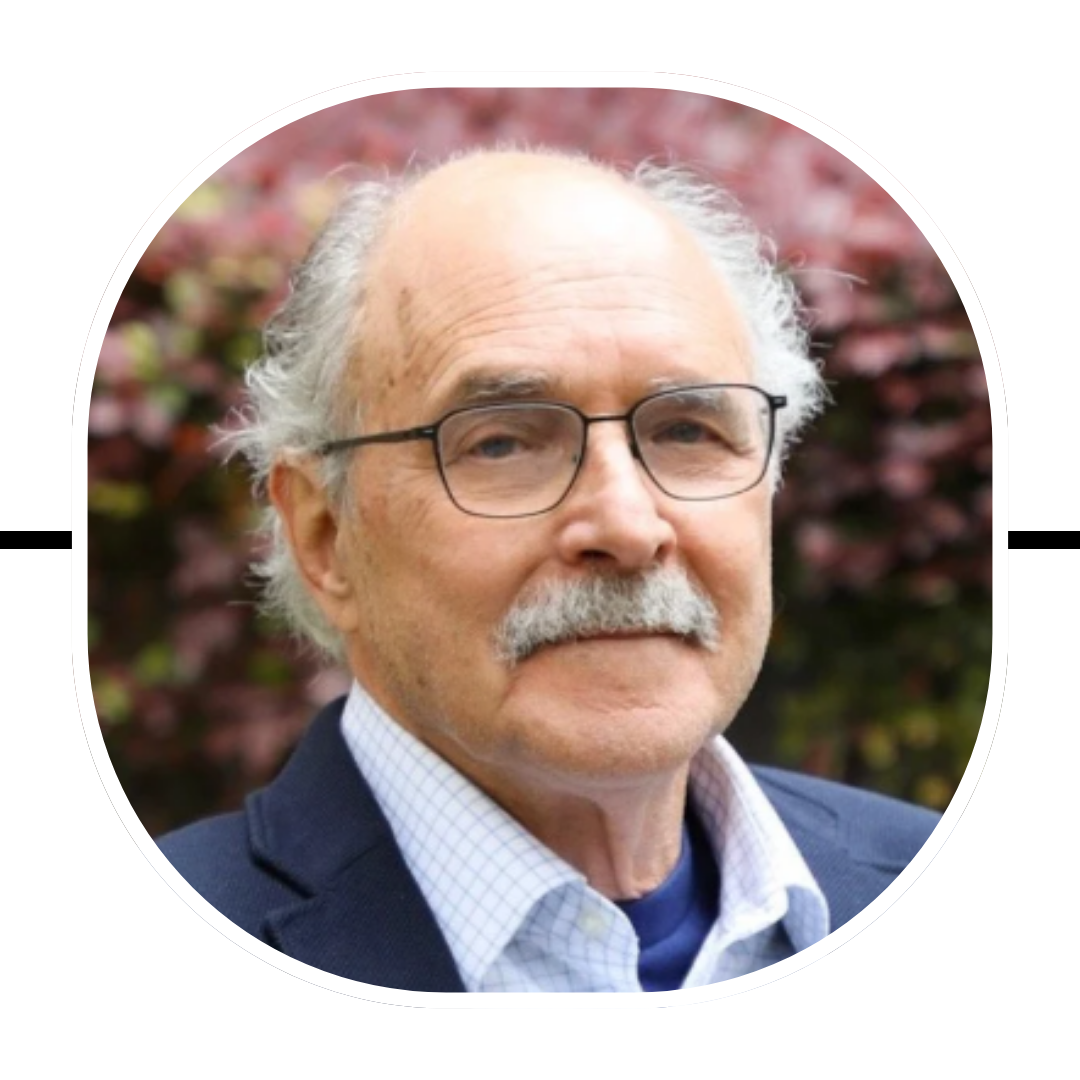
Dr. Thomas R. Cole is Director of the Center for Spiritual Direction at Congregation Beth Israel in Houston as well as Emeritus Professor and Past Director of the McGovern Center for Humanities and Ethics at the McGovern Medical School in Houston.
Dr. Cole’s work focuses on how society and the medical field view aging and the ethical practice of medicine. A medical humanist and cultural historian, he is a prolific and award-winning author and filmmaker.
Exploring his spiritual evolution, he is currently completing a spiritual memoir, tentatively entitled My Journey to the Angels: Towards A Spiritual Renewal (expected release 2026).
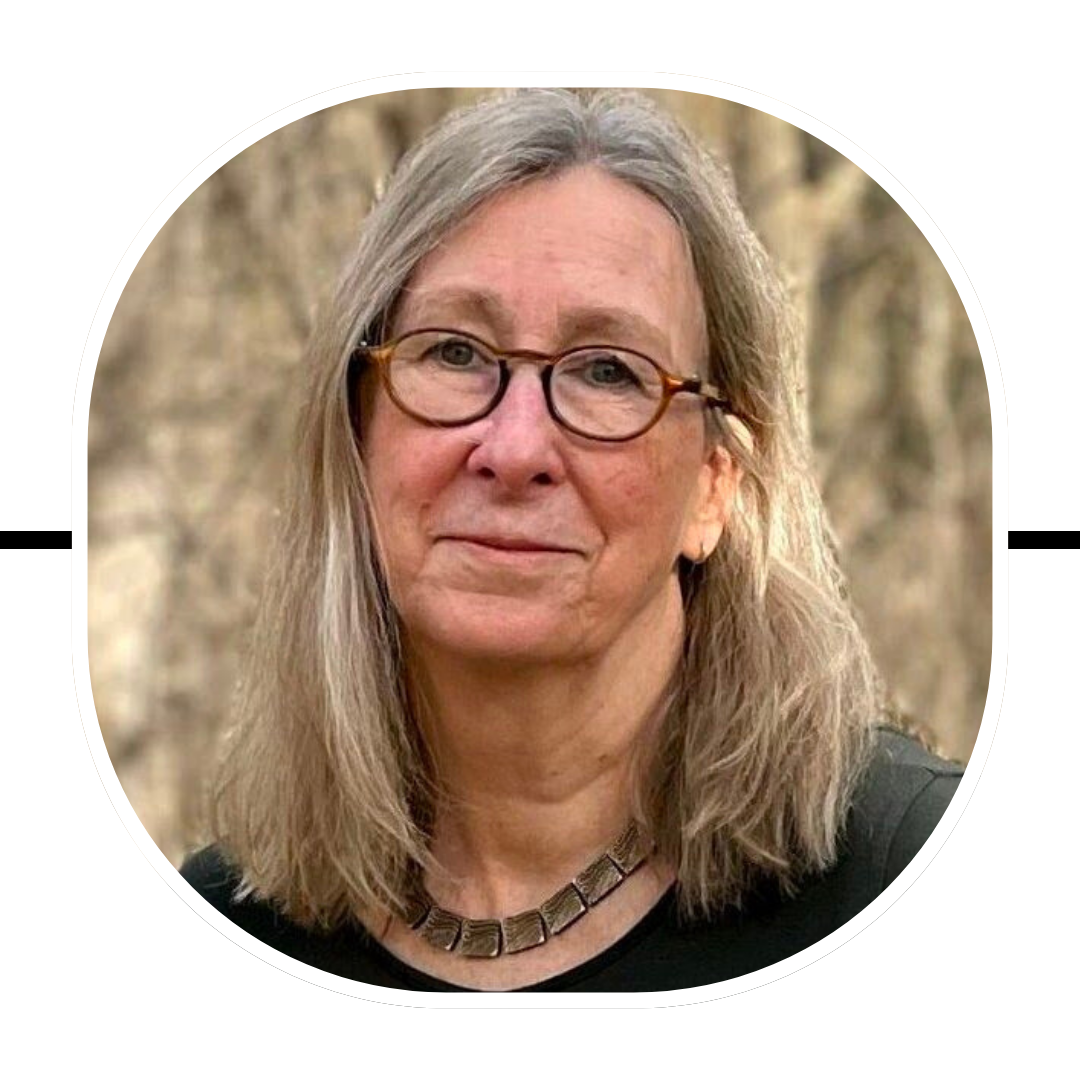
MT Connolly is a leading national expert on elder justice, a MacArthur “genius” grant awardee, and author of the 2023 book, The Measure of Our Age: Navigating Care, Safety, Money, and Meaning Later in Life, and President of the RISE Collaborative. She was the architect of the federal Elder Justice Act, founder of the Department of Justice’s Elder Justice Initiative, and lead author of the Elder Justice Roadmap, shaping federal, state, and local research, policy, and practice.
She is also co-designer of the community-based “RISE” model intended to introduce holistic, hopeful, and effective ways to empower older adults, reduce harms, and promote elder justice
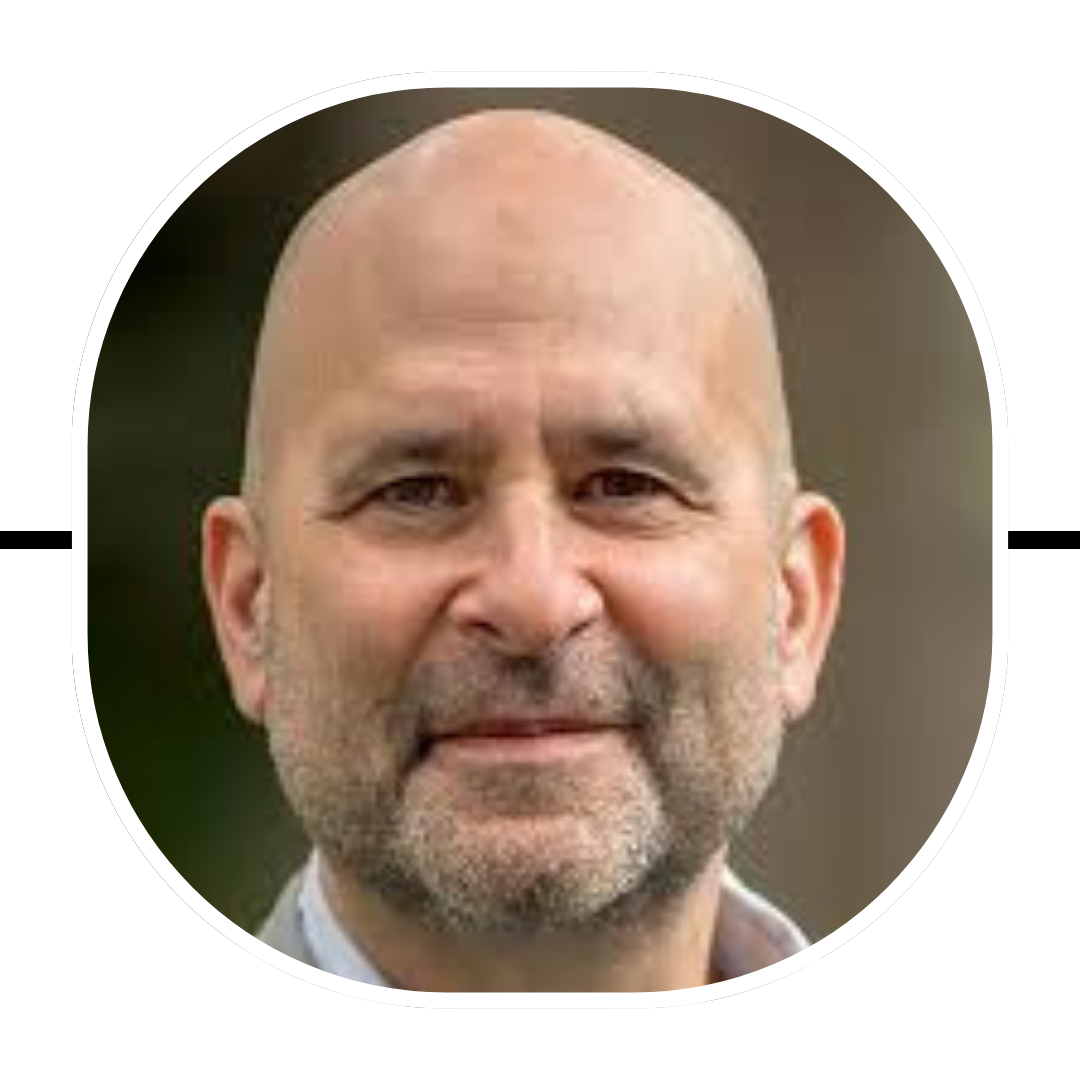
Dr. Mark Lachs is the Irene and Roy Psaty Distinguished Professor of Medicine at the Weill Cornell Medical College and Co-Chief of Geriatrics and Palliative Medicine, and the Director of Geriatrics for The New York Presbyterian Health Care System.
His major area of interest is underserved older adults. He has published widely in the areas of elder abuse and neglect, adult protective services, the measurement of functional status, ethics, and the financing of health care.
Speakers*
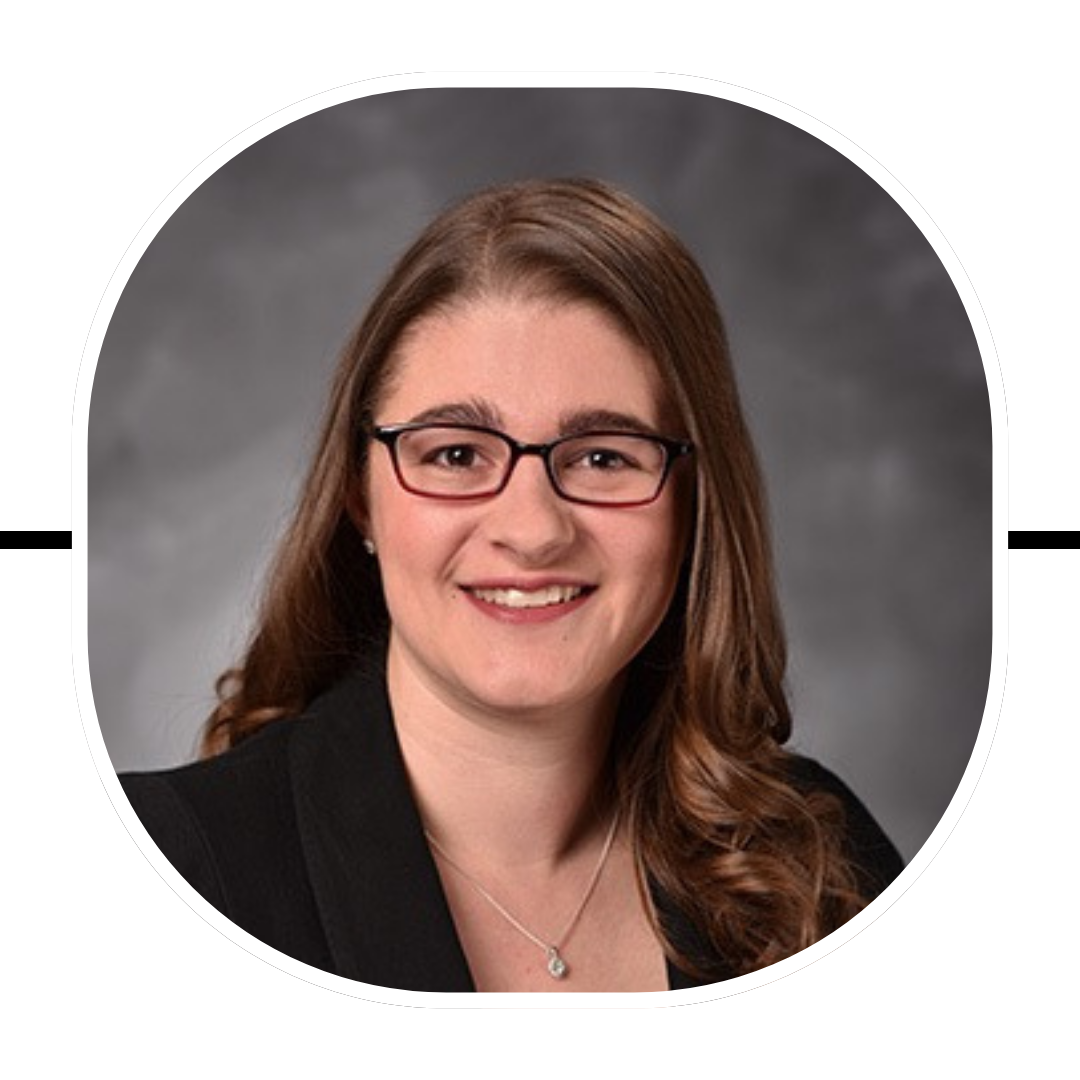
Dr. Elizabeth Bloemen is an Assistant Professor of Geriatrics at the University of Colorado School of Medicine and the medical director of the Vulnerable Elder Services, Protection & Advocacy (VESPA) team. The VESPA team is an inpatient based elder abuse and neglect. Her research focuses on improving the healthcare system response to elder mistreatment including improving identification of physical and sexual abuse and severe neglect.
Dr. Bloemen completed her undergraduate training in biochemistry from the University of Colorado at Boulder, her Master of Public Health from Columbia University with a Certificate in Health of an Aging Society, and her medical degree, internal medicine residency, and geriatric fellowship at the University of Colorado School of Medicine.

Dr. David Burnes is a Professor at the University of Toronto, Factor-Inwentash Faculty of Social Work and holds a Canada Research Chair in Older Adult Mistreatment Prevention. Dr. Burnes’ research focuses on elder mistreatment (EM), including the development of basic science (risk factors, prevalence, severity) and the design, evaluation, and measurement of interventions to prevent EM.
He advises international the World Health Organization, as well as federal and provincial/state governments, and has published extensively on the issue of EM in leading gerontology and public health journals. Dr. Burnes and colleagues developed “RISE”, one of the first evidence-based EM interventions.

Dr. Marti DeLiema is a gerontologist and Assistant Professor in the School of Social Work and Associate Director of Education for the Center for Healthy Aging and Innovation (CHAI) at the University of Minnesota. She studies financial victimization using focus groups, in-depth interviews, surveys, and panel data and collaborates with financial institutions, AARP, the FINRA Foundation, and federal protection agencies to analyze victimization risk factors and to test efforts to inoculate consumers from fraud and abuse through enhanced consumer education and advance care planning interventions. Her research is funded by the National Institute of Justice, the National Institute on Aging, the Social Security Administration, the Administration for Community Living, AARP, and the FINRA Investor Education Foundation.
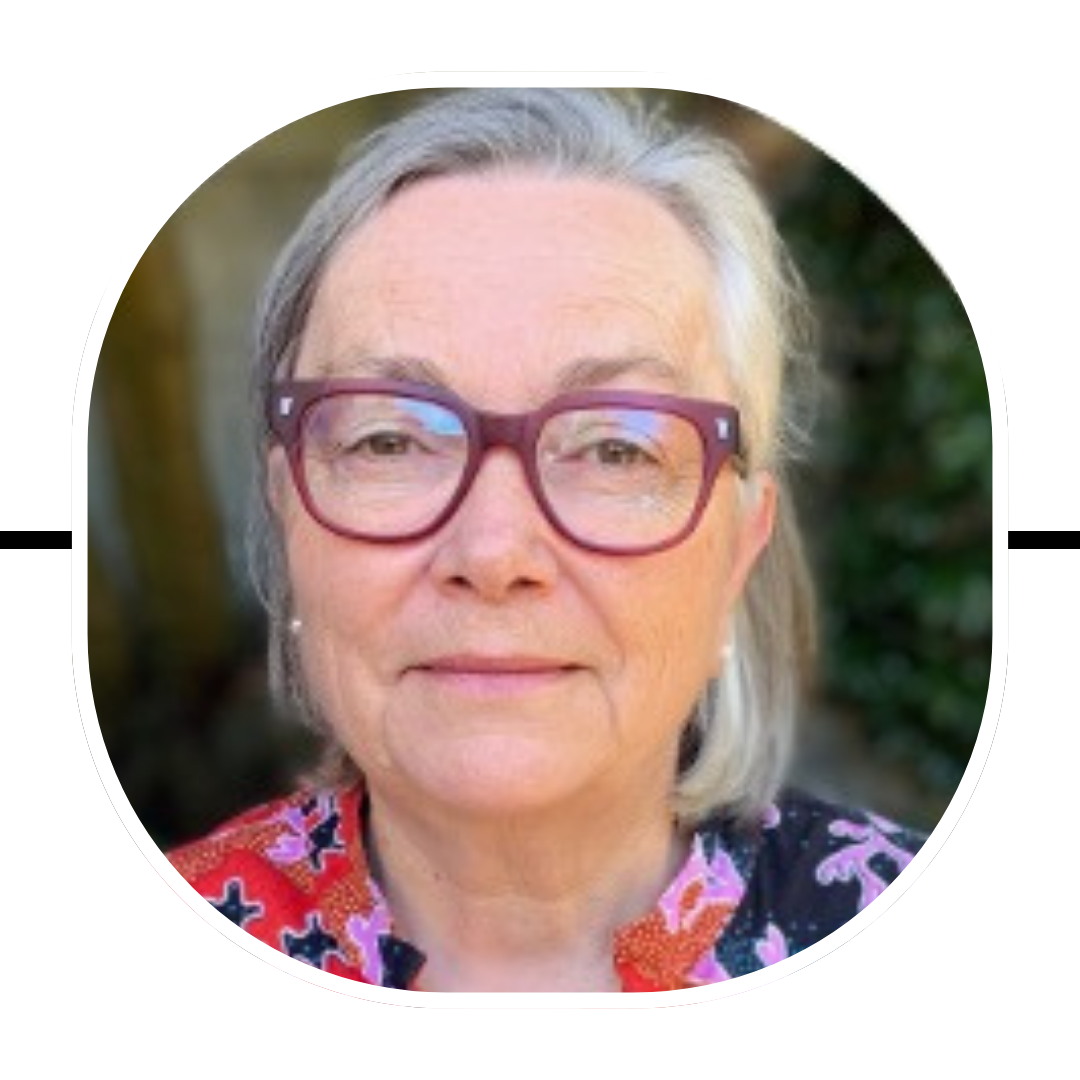
Dr. Elizabeth Halifax is an Assistant Professor in the Department of Social and Behavioral Sciences at the School of Nursing at University of California, San Francisco (UCSF). With a career dedicated to improving health care for older adults, she has held leadership roles in hospital administration in the UK, in U.S. nursing homes, and as a Research Specialist at UCSF. Dr. Halifax has specialized in qualitative research and her interests are focused on end of life and nursing home care, including palliative care access in nursing homes, understanding pain in people with dementia, the role of assistive personnel, and safe staffing levels in Nursing Homes. She is a Training Consultant for the San Francisco Long Term Care Ombudsman Program and serves on the Long Term Care Geriatric Advisory Circle for California’s Departments of Aging, Public Health and Social Services.

Dr. Duke Han is a Diplomate of the American Board of Professional Psychology in Clinical Neuropsychology, a Fellow of the American Psychological Association and the National Academy of Neuropsychology, and a tenured Professor of Psychology, Family Medicine, Neurology, and Gerontology at the University of Southern California (USC).
Dr. Han focuses on factors that impact cognition and decision making in aging. He directs his own research lab and serves as the Editor-In-Chief of The Journals of Gerontology Series B: Psychological Sciences, Co-Director of the Scientific Research Network on Decision Neuroscience in Aging, and Co-Leader of the Research and Education Core for the USC Alzheimer’s Disease Research Center.

Alison Hirschel, JD is the Director of the Michigan Elder Justice Initiative, an innovative legal services program she founded that supports legal and policy advocacy for older adults and people with disabilities. Alison focuses on long term care, elder abuse, guardianship and individual rights, and public benefits. For more than 20 years, Alison served on the adjunct faculty at the University of Michigan Law School and, previously, as a lecturer at the University of Pennsylvania Law School. Alison received her B.A. in 1981 from the University of Michigan and her J.D. in 1984 from Yale Law School.
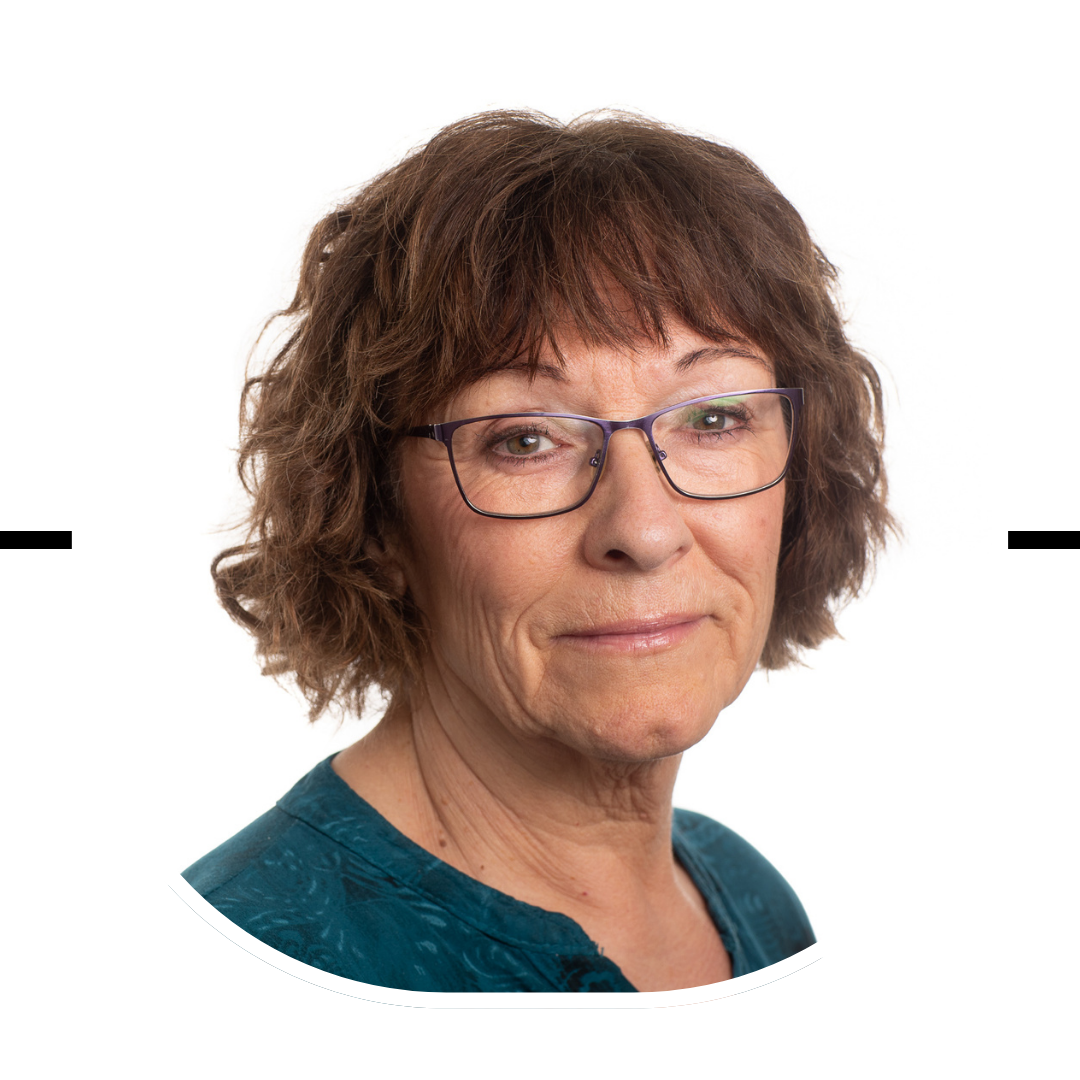
Dr. Wenche Karin Malmedal is a Professor at the Department of Public Health and Nursing at the Norwegian University of Science and Technology (NTNU) in Trondheim, Norway. Since the early 1990s, Dr. Malmedal has been engaged in research on elder abuse, leading many projects. Dr. Malmedal has served on several national advisory boards and is a frequent invited speaker at conferences and seminars, both in Norway and internationally.
Currently, Dr. Malmedal leads the research group Ageing and Older Persons’ Health and heads the Elder Abuse Research Team at NTNU. She also represents Norway in the International Network for the Prevention of Elder Abuse (INPEA).

Dr. Linda Ko is a Professor of Family Medicine and Population and Public Health Sciences, and the Vice Chair for Research in the Department of Family Medicine at the Keck School of Medicine of the University of Southern California (USC). She is a Full Member of the USC Norris Comprehensive Cancer Center and the inaugural Director of the Dissemination and Implementation Program at the Southern California Clinical and Translational Science Institute. She has a broad background in behavioral science with specific training and experience in behavioral interventions, dissemination and implementation science, and participatory research approach.

With nearly 20 years of experience at the intersection of public health, finance, and aging, Sam Kunjukunju is a passionate advocate for older adults.
In his current role as the Vice President of the Consumer Education at the American Bankers Association Foundation, Sam designs and implements national programs to help the banking industry protect older consumers from financial exploitation and promote financial education for individuals across all age groups.
Prior to focusing on financial empowerment, Sam held key roles in expanding affordable housing, increasing access to health care, and shaping aging policy at both the state and national levels.
Sam has a Master of Public Health and a Master of Business Administration from the University of Rochester.
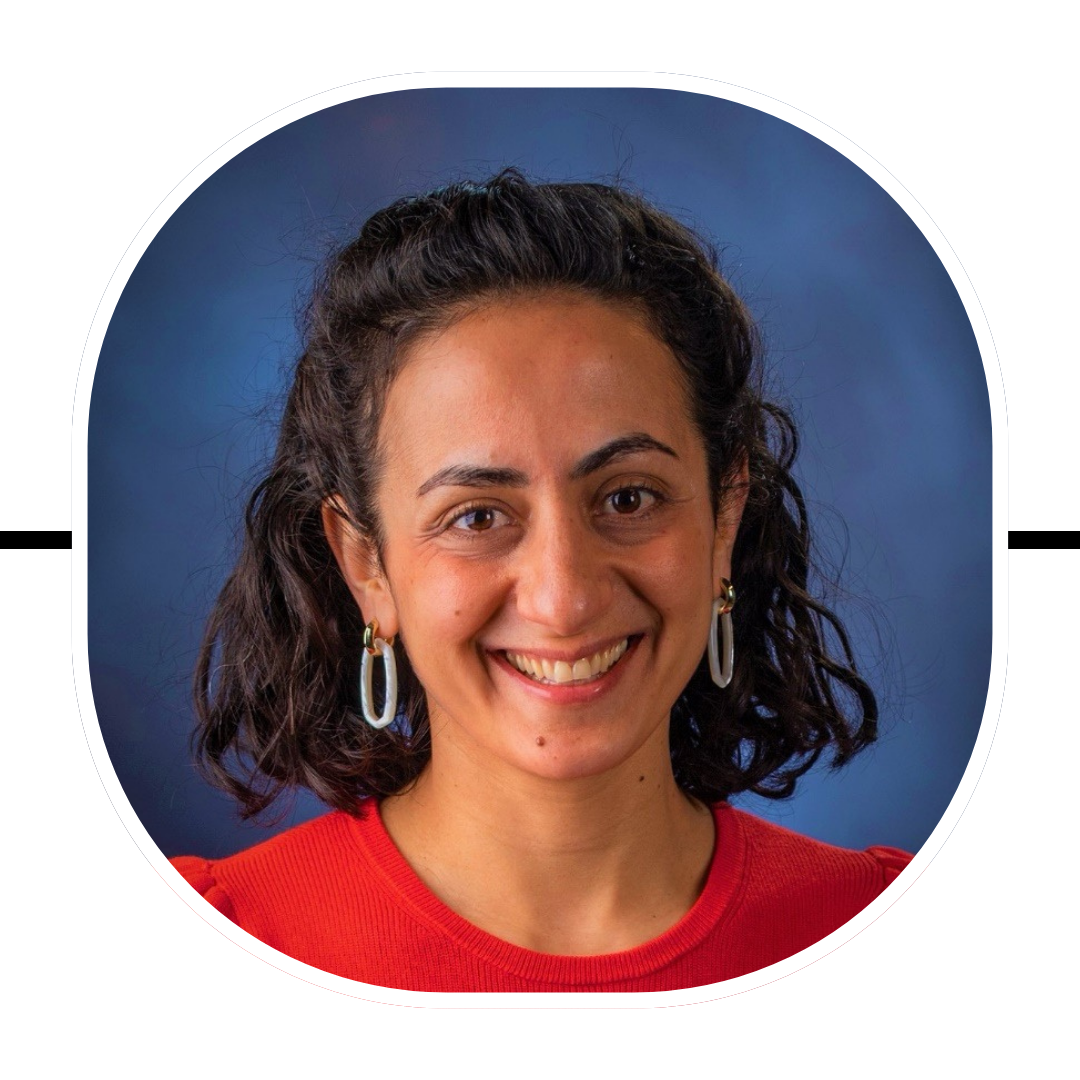
Lena K. Makaroun, MD, MS, is a Geriatrician and Core Investigator at the VA Pittsburgh Healthcare System Center for Healthcare Evaluation Research and Promotion (CHERP) and Assistant Professor of Geriatrics at the University of Pittsburgh School of Medicine. Dr. Makaroun’s research examines health-related social risk factors for older adults with a specific focus on elder abuse. Her current VA-funded career development award aims to improve detection and response to elder abuse from within the healthcare system. Dr. Makaroun’s operations-partnered research relies heavily on close collaborations with interdisciplinary colleagues from social work, medicine, protective services, and data informatics.
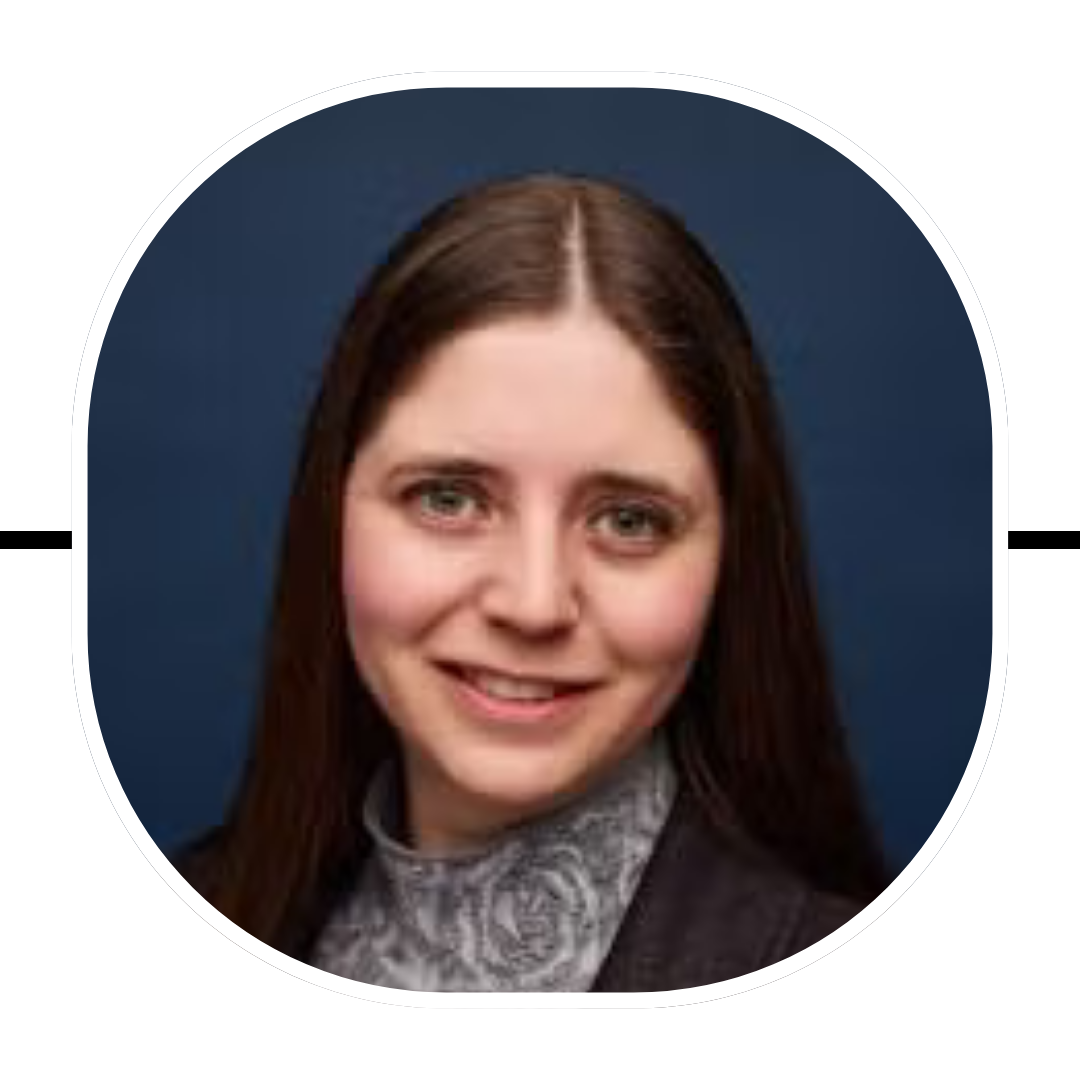
Dr. Kylie Meyer is a gerontologist and Assistant Professor at Case Western Reserve University, where she co-directs the University Center on Aging and Health. Her research focuses on developing and testing theory-informed psychoeducation to support family caregivers of persons living with dementia. She is the co-developer of the Knowledge and Interpersonal Skills to Develop Enhanced Relationships (KINDER) program to prevent mistreatment of older adults in caregiving relationships. In addition to KINDER, Dr. Meyer leads a National Institute on Aging-supported study to support family caregivers with complex care, as well as the reduction of financial strain.
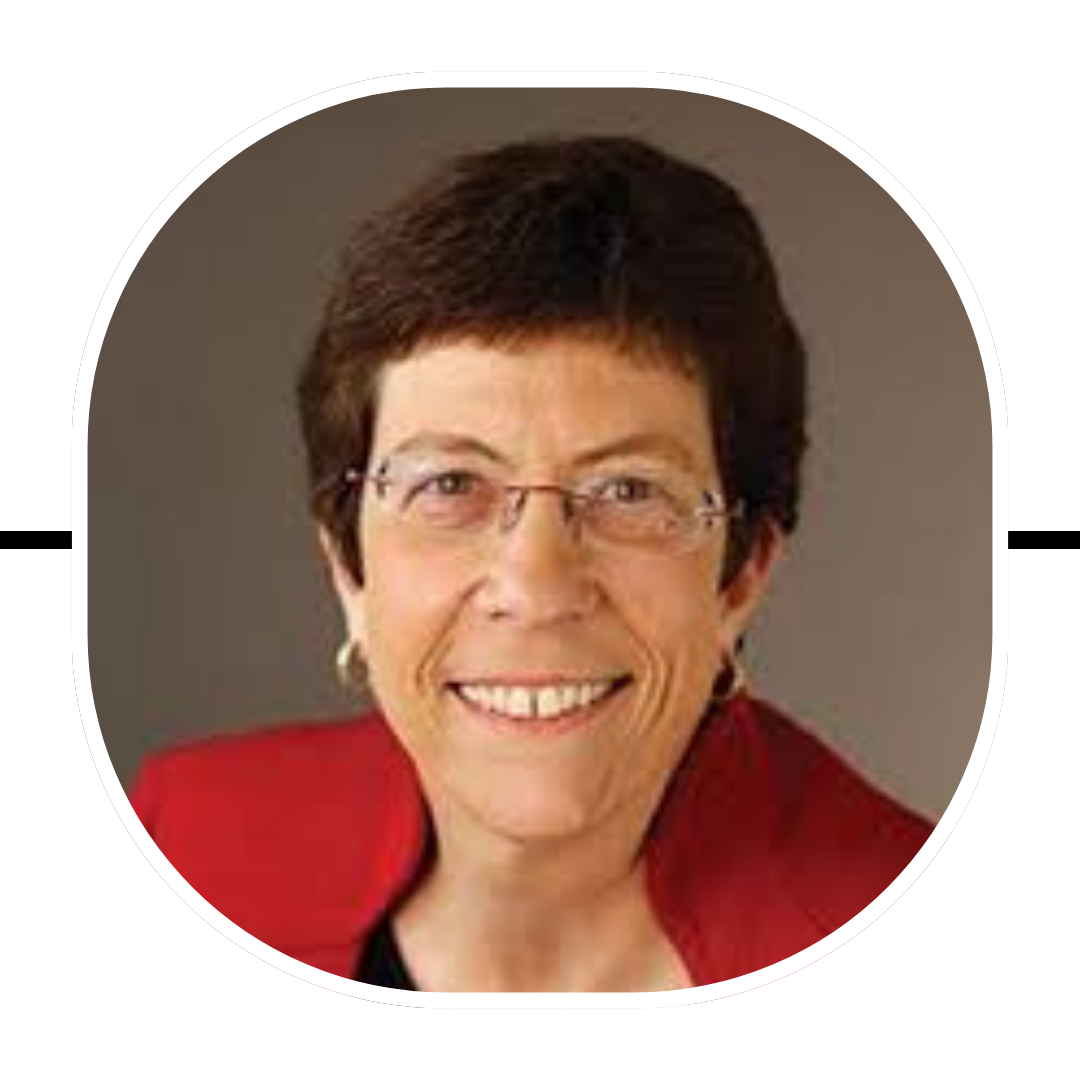
Dr. Laura Mosqueda is a professor of Family Medicine and Geriatrics at the Keck School of Medicine of USC. She is an internationally respected authority on elder maltreatment and the care of older and underserved adults. Dr. Mosqueda is an expert on medical education curriculum design, development, and implementation. Since joining the Keck School of Medicine of USC, her roles have included: Chair of the Department of Family Medicine, Associate Dean of Primary Care, and Dean. She is the co-principal investigator of an NIA-funded R61 study to develop a primary care screening tool and early interventions to detect and prevent elder maltreatment of older adults living with dementia. She is the Senior Advisor, and former Director, of the National Center on Elder Abuse, a federally funded initiative that serves as the nation’s coordinating body and clearinghouse for research, training, best practices, news, and resources in elder maltreatment. Dr. Mosqueda is a Health and Aging Policy fellow. Her unique perspective is informed by her extensive experiences as a clinician, researcher, community educator, and role as a volunteer long-term care ombudsman.
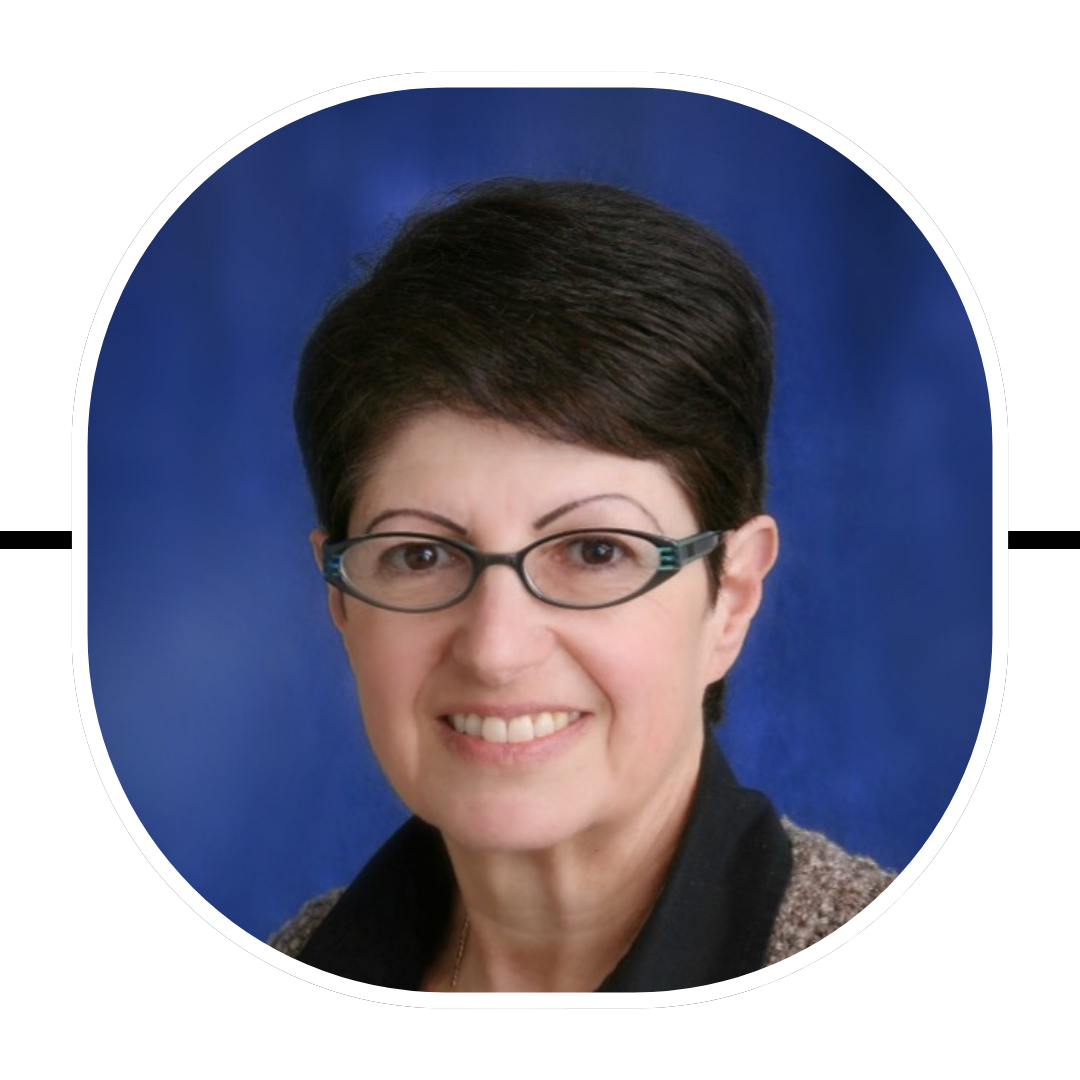
Dr. Dana Mukamel is Distinguished Professor of Medicine with joint appointments in Public Health and Nursing at the University of California, Irvine. She is also Director of the iTEQC Research Program (Translational Technology Enhancing High Quality Care). Her research focuses on quality of care, development of quality measures, quality report cards, and studies of market incentives and government policies and regulations leading to high quality of care in long-term care. Dr. Mukamel serves on national advisory, editorial, review, and expert panels. Her work has been recognized by a large number of awards, including a Life Time Achievement Award from the APHA.

Lori Smetanka, JD, is the Executive Director of the National Consumer Voice for Quality Long-Term Care, the leading national nonprofit advocacy organization representing consumers receiving long-term care and services in nursing homes, assisted living facilities, and home and community based settings.
As Executive Director, Lori oversees and contributes to the organization’s policy, advocacy, and program activities; leads the organization’s fundraising efforts; establishes strategic partnerships with organizations and federal agencies working on issues related to the provision of long-term services and supports; and establishes the strategic direction of the organization.
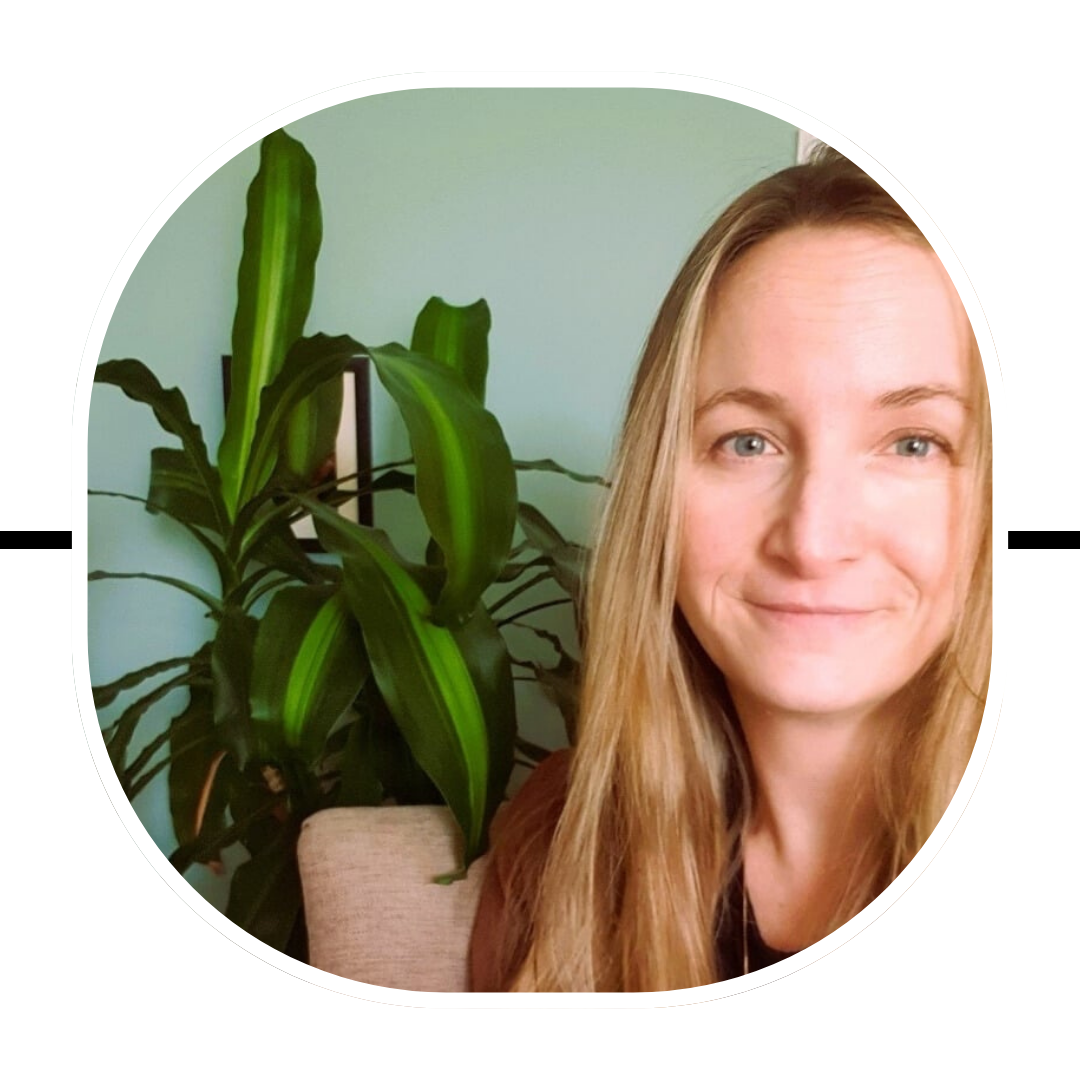
Dr. Jennifer Storey is a Registered Forensic Psychologist and an Associate Professor in Forensic Psychology at the University of Kent (UK). Her research is on the assessment and management of violence including older adult abuse, stalking, and intimate partner violence. This work has been funded by national and international organisations like the World Health Organization and UK Home Office.
She is the author of a violence risk assessment tool for the abuse of older people called the Harm to Older Persons Evaluation or HOPE which aids professional is assessing risk level and managing cases of older adult abuse. Her research has an applied focus and includes working closely with and training practitioners including police, judges, social workers, health and mental health professionals.
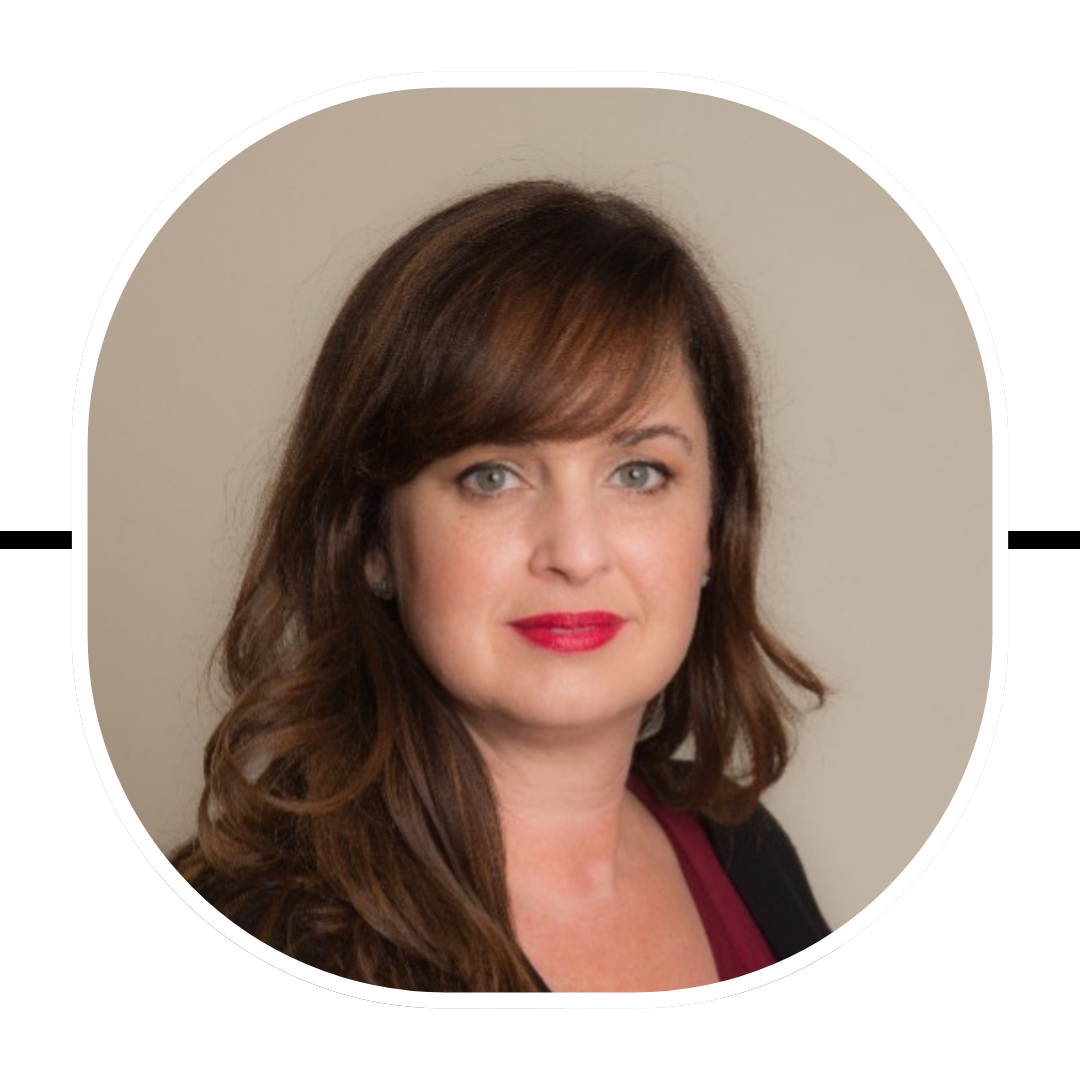
Rachel Tate, LCSW, is Vice President, Ombudsman Services at WISE & Healthy Aging and oversees all aspects of its LTC Ombudsman Program in Los Angeles County – the largest county in the state by population – with seven offices covering more than 1,800 facilities and 78,000 beds in skilled nursing and residential care facilities.
She works with several multidisciplinary teams to address concerns related to individuals residing in long-term care. She is passionate about improving quality of life and quality of care for facility residents and has worked to make it a community effort by collaborating with city officials, law enforcement, and fire departments.

Dr. Kathleen Wilber, PhD, is a Professor of Gerontology and the Mary Pickford Foundation Chair in Gerontology at the USC Leonard Davis School of Gerontology. Her research team focuses on improving health outcomes and quality of life for vulnerable elders, including those with chronic illness, disability, cognitive impairment, and/or economic insecurity. Her group’s current projects seek to improve the design and delivery of services and include: 1) evaluating the effectiveness and cost effectiveness of the Elder Abuse Forensic Center model; 2) examining economic security indicators among older adults; 3) developing a universal assessment for the State of California’s home and community-based programs, and 4) determining how state, local market, and facility characteristics interact with individual characteristics to influence residents’ transitions from nursing facilities to community care.
*In formation